A clear scope.
Work you can review.
A shared scope, working software to review and clear decisions along the way. Here is how we take a project from the first conversation into everyday use.
Explore the process
A useful output at every stage.
Each stage makes the next decision easier. Explore what we review together and what the work produces.


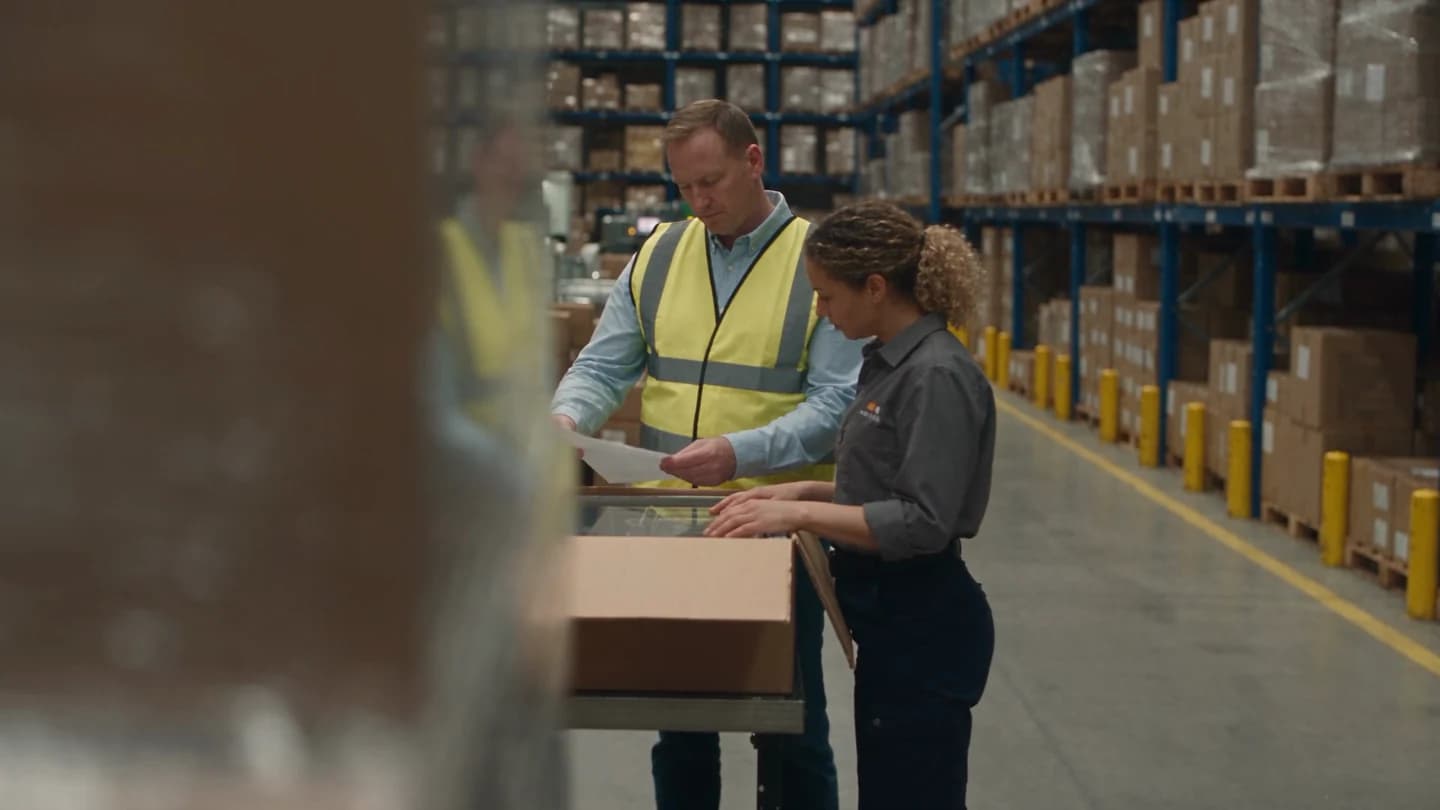
Agree what is worth building.
Walk through the current workflow with the people who know it. Identify the useful first version and the information, access and decisions it depends on.
- Review: the problem, priorities and dependencies
- Output: a clear scope and delivery plan
- Next decision: what to include in the first version
Review the experience and the system together.
Map how people will use the product and how information will move behind it. Consider permissions, integrations and human review as part of the same design.
- Review: journeys, interfaces and system connections
- Output: an agreed experience and architecture
- Next decision: what is ready to build
Make progress something you can try.
Develop working software and review it at agreed checkpoints. Test the main workflows and integrations, record feedback and discuss any change to the scope.
- Review: working features against the agreed scope
- Output: software to test and validate
- Next decision: what to refine before release
Prepare for the people running it.
Plan deployment, documentation and operational handover. Agree how the product will be maintained and how future improvements will be prioritised.
- Review: release readiness and responsibilities
- Output: deployment and an operational handover
- Next decision: the ongoing support arrangement
Good collaboration
needs both sides.
Your knowledge of the business shapes the product. Our job is to turn it into an experience and a system you can review.
- You bring the context.
- The people who know the workflow, an owner for decisions, access to relevant systems and a view of the constraints.
- We make the work reviewable.
- A focused scope, design and technical decisions, working software at agreed checkpoints and a record of what needs attention.
- We agree the next move.
- Priorities, feedback and changes to scope. Before launch, the responsibilities for deployment, access, handover and ongoing operation.
Start with where you are.
You do not need a finished specification. A real problem and some context are enough for a first conversation.
A new product or platform
Bring the users, the problem and the first workflow you want to make possible.
Discuss a new buildAI in an existing workflow
Bring one repeated task, the information it uses and where people need to stay involved.
Explore an AI workflowA system that needs to improve
Bring the current product, the friction you see and the systems it needs to connect with.
Discuss an existing systemBefore we begin.
Do we need a finished brief?
No. Bring a description of the problem, an example of the current workflow and any known constraints. The first conversation can help identify what needs exploring before a scope can be agreed.
Can you work with our existing software?
Data and integration work is part of Nexo’s scope. We first need to understand the systems, available interfaces and access involved. That review informs which connections are practical and where further investigation is needed.
How do we decide where AI belongs?
Start with the task, the information available and the consequence of an incorrect result. Agree what an agent may do, what needs human review and how to evaluate it in the workflow before extending its role.
What happens if priorities change?
Bring the change into the next review. Discuss how it affects the agreed scope, dependencies and delivery plan, then decide together what moves forward and what waits.
Who looks after the product after launch?
Handover and ongoing operation are part of the planning conversation. Agree who manages deployment, access, monitoring and maintenance, and whether Nexo’s ongoing development service is part of the engagement.